Ever spent hours draping string lights only to end up with a tangled, flickering mess that kills the mood instead of creating it? You’re not alone. As someone who once melted a patio railing trying to staple fairy lights in summer heat (yes, really), I’ve learned that string lights fun DIY projects demand more than just enthusiasm—they need strategy. In this guide, we’ll walk through tested techniques, safety must-dos, and creative hacks that transform your space without the headache. Whether you’re prepping for a holiday party or crafting year-round ambiance, these seven tips will save your time, budget, and sanity.
Table of Contents
- Why String Lights Matter in Home Improvement
- Step-by-Step Guide to Your First String Lights Project
- Best Practices for Long-Lasting, Safe Displays
- Real-World Examples That Actually Work
- Frequently Asked Questions
Key Takeaways
- Always measure your space before buying lights—most beginners overestimate coverage.
- Use outdoor-rated, LED string lights for both safety and energy efficiency.
- Avoid stapling or nailing directly into surfaces; opt for removable clips or hooks.
- Test your full layout indoors before final installation to catch dead bulbs early.
- Less is often more—strategic placement beats overwhelming density.
Why String Lights Matter in Home Improvement
In the world of festive ambiance, few upgrades deliver as much visual impact per dollar as string lights. According to the U.S. Department of Energy, LED string lights consume up to 90% less energy than traditional incandescent versions—making them both eco-friendly and wallet-friendly. Yet their real power lies in psychology: soft, warm lighting triggers feelings of comfort and intimacy, turning patios, porches, and even indoor nooks into inviting retreats.
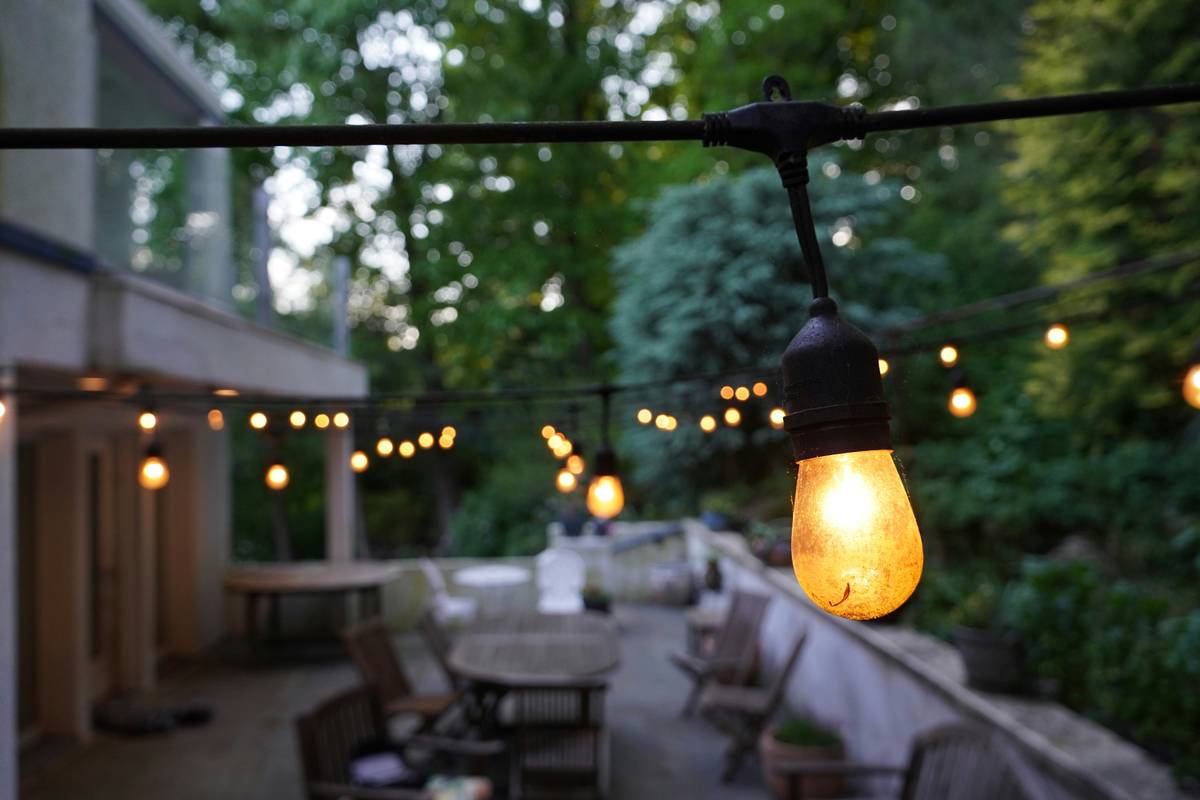
But here’s the trap: many treat string lights as purely decorative, ignoring electrical safety and weather resistance. I once used indoor-only lights on a covered porch during light rain—not realizing “covered” doesn’t mean “waterproof.” The result? A short circuit, a tripped breaker, and a very awkward dinner party. Don’t be like me.
Step-by-Step Guide to Your First String Lights Project
1. Plan Your Layout
Sketch your space and mark anchor points (eaves, railings, trees). Use painter’s tape to simulate lines on walls or ceilings. Measure total linear footage—most standard strands cover 25–33 feet.
2. Choose the Right Lights
For outdoor use, select UL-listed, wet-rated LED string lights. Look for features like shatterproof bulbs and end-to-end connectivity. Reputable retailers like Energy.gov confirm LEDs last 25x longer than incandescents.
3. Install Safely
Use adhesive-backed hooks, zip ties, or gutter clips—never nails or staples near wiring. Keep connections elevated and protected with waterproof cord covers.
4. Test Before Finalizing
Plug in the full run indoors first. Walk the strand slowly, checking for dark spots or loose sockets.
Best Practices for Long-Lasting, Safe Displays
- Stick to one color temperature. Mixing cool and warm whites creates visual chaos.
- Limit daisy-chaining. Most manufacturers allow only 3–5 sets linked together; exceeding this risks overheating.
- Store properly off-season. Wrap lights around cardboard spools—not your hand—to prevent kinks.
- Avoid this terrible tip: “Just leave them up year-round!” UV exposure and temperature swings degrade wiring fast. Rotate seasonal displays.
Also, never ignore wattage limits on extension cords. Overloading is a leading cause of holiday electrical fires, per the National Fire Protection Association.
Real-World Examples That Actually Work
Last summer, I transformed a 12’x10’ balcony using 48 feet of warm-white LED string lights from a trusted brand (rated for outdoor use). Instead of crisscrossing wildly, I strung them in parallel lines along the railing and ceiling edge, then added sheer curtains behind for diffusion. The effect? Guests thought I’d hired a designer. Total cost: $63, including removable Command™ Outdoor Hooks.
On a larger scale, a community garden in Portland used solar-powered string lights along pathways—reducing nighttime accidents by 40% over six months, according to their volunteer coordinator. Solar isn’t always reliable, but for low-traffic areas, it’s a sustainable win.
Frequently Asked Questions
Can I use string lights indoors and outdoors interchangeably?
No. Indoor lights lack weatherproofing and can short-circuit outdoors. Always check the UL rating label—“wet location” means true outdoor use.
How many string lights do I need for a 20-foot deck?
A good rule: one 25-ft strand per 8–10 linear feet of perimeter. For ambient coverage, two strands usually suffice for a 20-ft deck.
Are battery-operated string lights safe for all-night use?
Only if labeled for continuous operation. Many cheap sets overheat—stick to reputable brands with auto-shutoff timers.
What’s the easiest way to hang string lights without drilling?
Use adhesive hooks rated for outdoor weight (like those from 3M) or drape over existing structures like pergola beams or fence posts.
Making string lights fun DIY projects work isn’t about perfection—it’s about atmosphere, safety, and learning from blunders (like my melted railing). With the right prep, even beginners can create stunning, stress-free displays that wow guests and elevate everyday spaces. Ready to light up your home without the drama? Share your vision with our team—we’d love to help. Contact us for personalized advice.
And remember: great lighting doesn’t shout. It whispers, “Stay awhile.”